
The loop, explained
Meccha Chameleon Gameplay
Every round is a two-act play: prep, then sweep. Hiders get a window to paint themselves into the stage; Seekers then hunt everything that looks slightly wrong. This page explains why that simple loop generates so much chaos — and what a full evening of it actually feels like.
Act One: the Prep Window
The prep phase is quietly the most skill-dense part of the game. In a couple of frantic minutes a Hider makes every meaningful decision of the round: which zone (traffic judgment), which surface (shape amnesty), which colors (sampling from the exact spot, not from memory), and which pose (something a human body can hold under pressure). Veterans finish with time to spare and use it on the detail that decides everything — the angles they can't see themselves. New players spend it all making the front pretty. The gap between those two prep habits is most of the skill curve, which is why our beginner guide is basically a prep-phase curriculum.
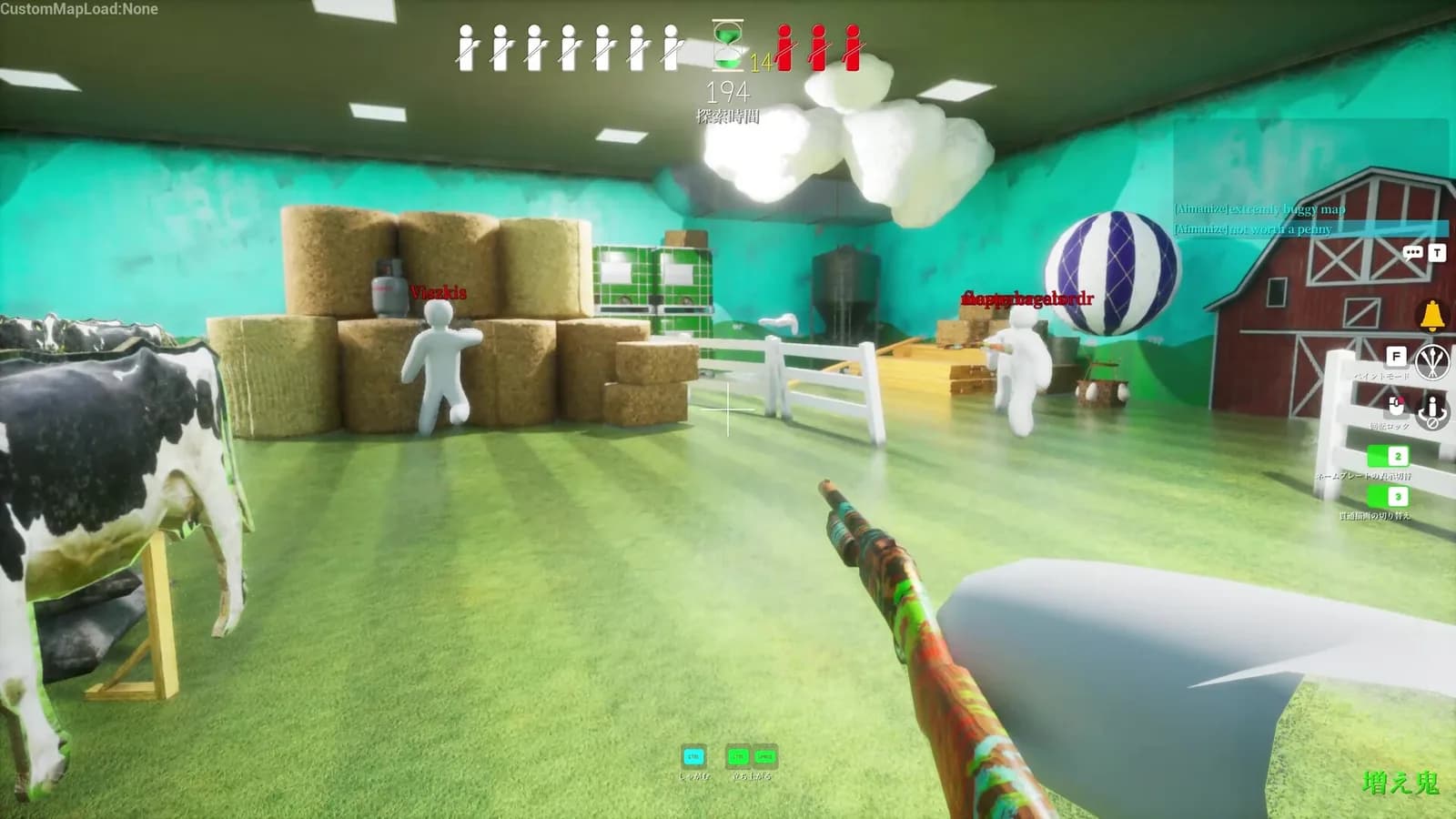
Act Two: the Sweep
When Seekers enter, the game inverts: the stage that was a canvas becomes a crime scene. Seekers work on tells — color seams, impossible objects, silhouettes that read human at the second glance — while the round timer and the remaining-player counter squeeze both sides. Hiders face the game's central psychological test: hold a pose while footsteps approach, knowing that moving converts "maybe" into "caught" instantly. Rounds stay short by design, so a botched disguise costs minutes, not an evening — you're back in prep before the sting fades, usually with the whole lobby laughing at where you were found.
Why the Loop Doesn't Wear Out
Static hide-and-seek games decay once players memorize the spots. This one resists that for a structural reason: the disguise is authored, not selected. Every round, every player produces a new paint job against whatever corner they chose, so the Seeker isn't solving a map — they're reading opponents, and opponents keep evolving. Layer on role-swapping between rounds (your hiding tricks teach your seeking, and vice versa), 2–10-player recommended lobbies where every extra body is another decoy, and a Workshop pipeline delivering stages nobody has memorized, and the loop keeps regenerating its own novelty. Session pacing reflects it: rounds are minutes long, sessions are "one more round" traps, and the 4-6 player sweet spot is where the comedy density peaks.
What a First Evening Actually Looks Like
Setting honest expectations, because the curve is part of the fun. Rounds one through three are disasters: you will be found in seconds, usually because of a white patch you couldn't see, and it will be funnier than winning. Somewhere in the middle of the session the game clicks — you survive a full sweep for the first time, hear the Seeker walk past you twice, and understand viscerally why people love this. Late in the evening the real game emerges: you start hiding against peopleinstead of against the map, picking spots based on how your friends swept the last three rounds. That's the arc from the five steps to the ten habits — most groups walk it in one night.
FAQ
The Loop
- Roles assigned (Hiders / Seekers)
- Prep: zone → surface → paint → pose
- Sweep: tells vs nerve, timer squeezing both
- Win check: timer or last tag
- Swap roles, go again
Last checked: 2026-07-03